
Professional Aerial Drone Surveys for Land, Property and Development
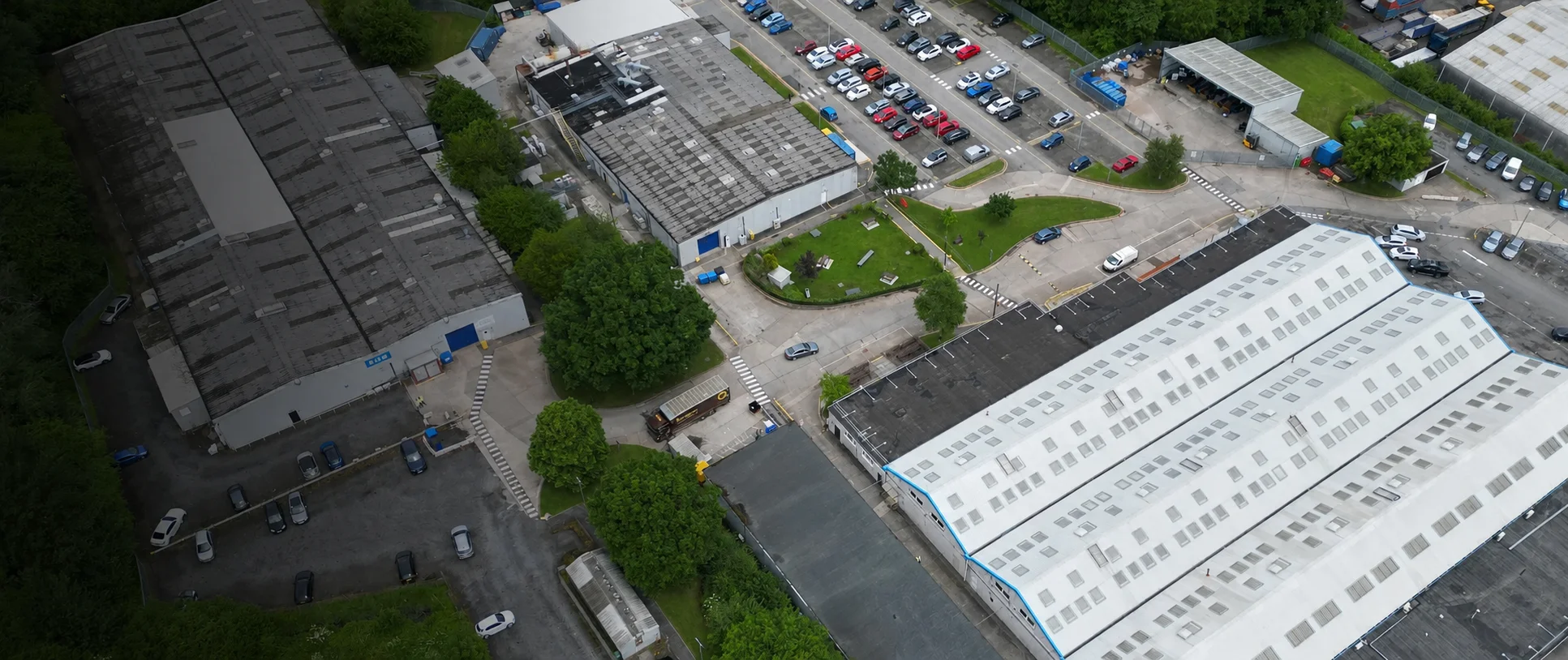
Pinpoint Mapping provides professional aerial drone surveys across Bristol, Bath and the South West for architects, planning consultants, engineers, developers, contractors, property professionals, estate managers and private clients.
Aerial capture can provide a clear view of a site from above where the requirement is current site imagery, roof or high-level access, mapped photogrammetry or specialist LiDAR data. Each project is planned around the site, the information required and how the final data will be used.
Drone data can also be combined with topographical surveys, measured building surveys and 3D laser scanning where ground-level, internal or controlled measured information is required.
Aerial Drone Survey Services
The service can be approached in four main ways, depending on what needs to be captured and the survey output required.
Aerial Drone Photography and Video
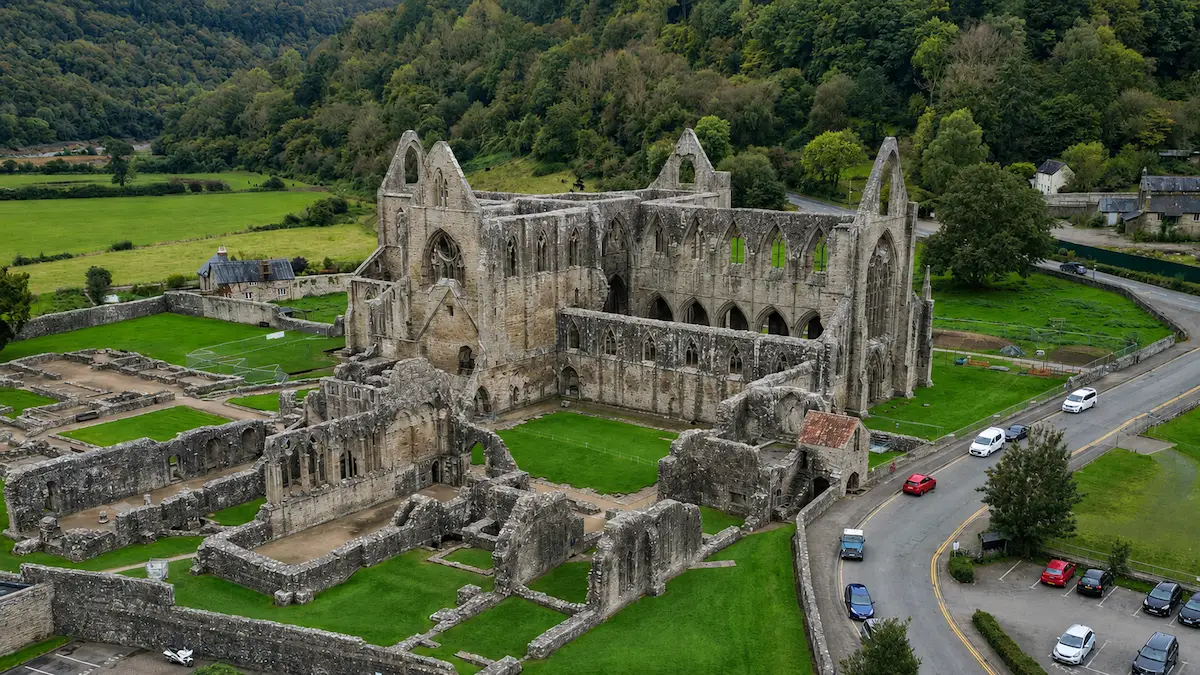
Professional aerial photography and video can provide site overviews, planning context, construction progress records and property or estate documentation. The imagery supports project reporting, stakeholder communication and asset records without replacing controlled measured survey data where that is required.
Drone Roof Inspection Imagery
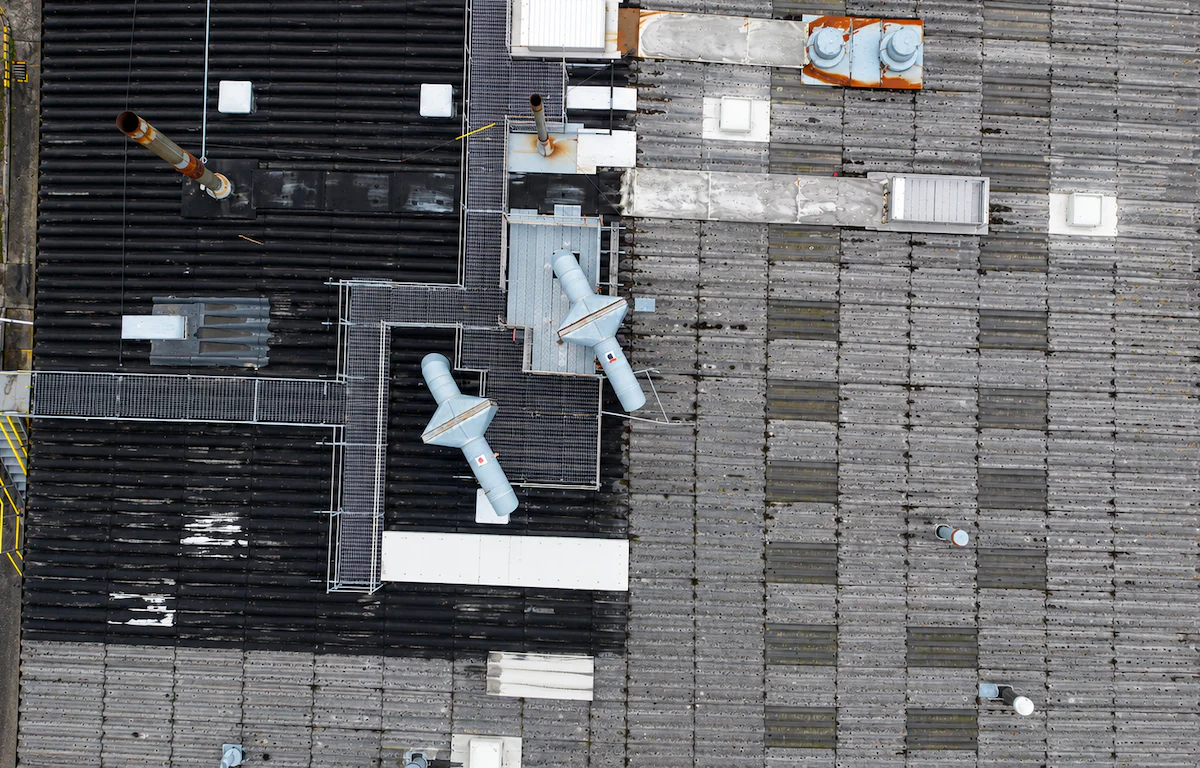
High-resolution drone imagery can record roofs, chimneys, flashings, gutters, parapets and high-level façades where ground-level views are insufficient. It can support architects, building surveyors and property teams, although physical access may still be required where materials must be touched, tested or opened up.
Drone Photogrammetry Surveys
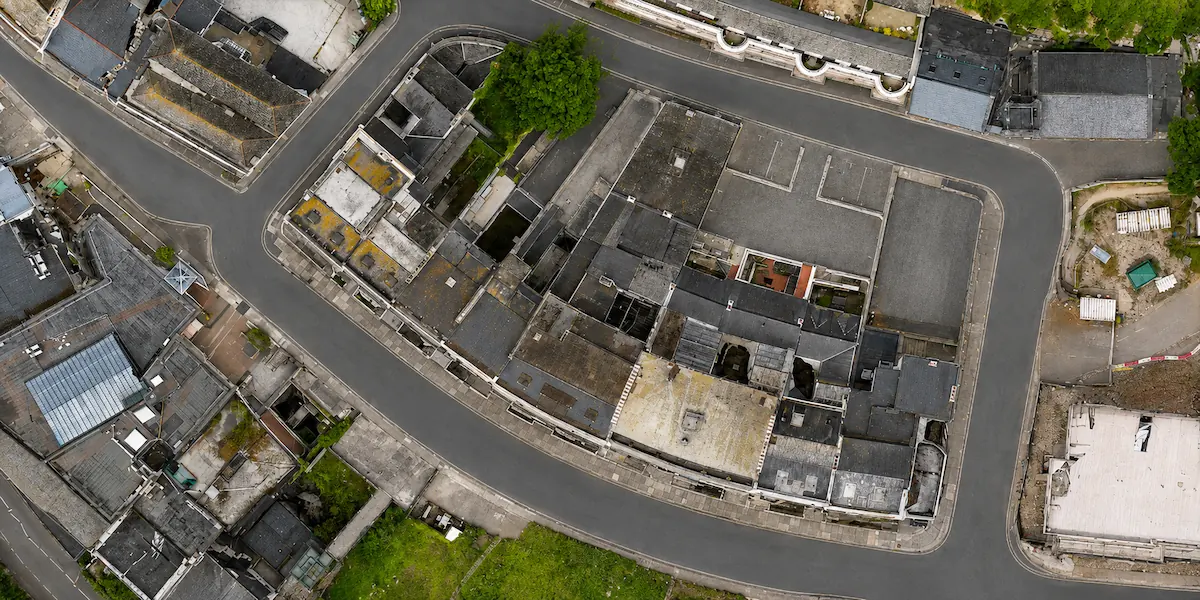
Planned overlapping aerial imagery can be processed into georeferenced orthomosaics, photogrammetric point clouds, digital surface information and textured 3D OBJ models. It is suited to visible hard surfaces, development sites, car parks, structures and construction areas where mapped or three-dimensional site information is required.
Aerial LiDAR Surveys
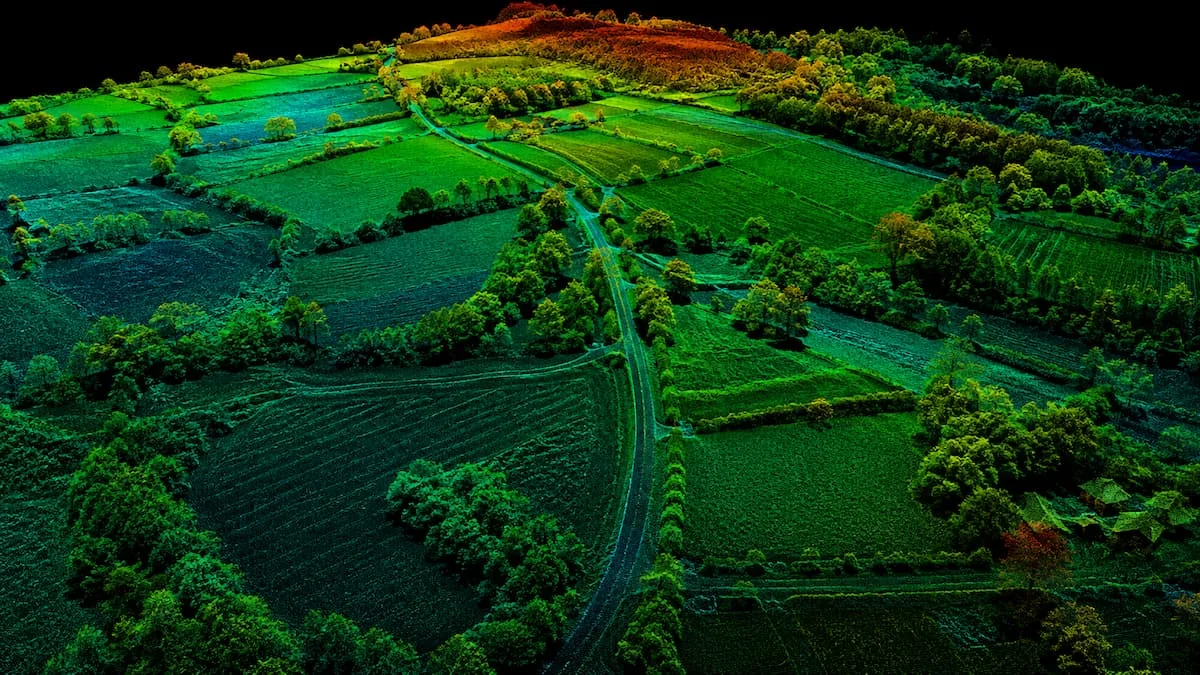
Specialist aerial LiDAR can be arranged through established survey partners where vegetation, terrain, site scale or the required dataset makes laser scanning from the air more appropriate than camera photogrammetry. Typical outputs include point clouds, terrain models and surface models for extensive or difficult sites.
Need an Aerial Drone Survey for Your Project?
Send us the site location, required survey area and intended aerial survey outputs, and we can review the project and advise on an appropriate drone survey approach.
Request a Survey QuotationAerial Drone Photography and Video
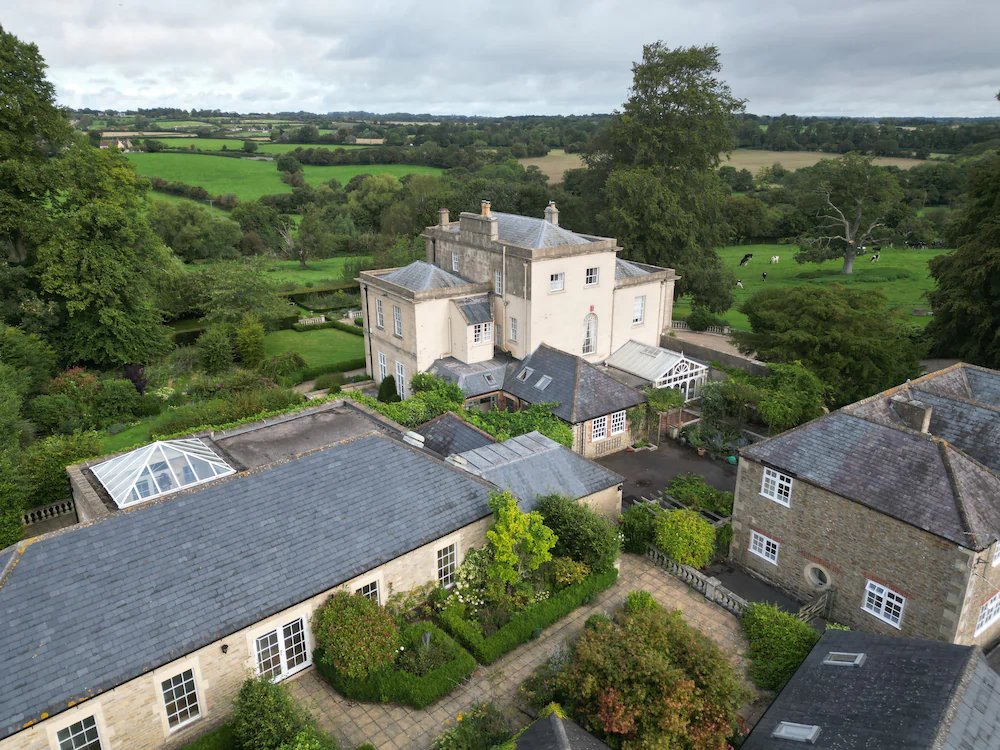
Aerial drone photography provides a clear visual record of a site, building or wider setting from viewpoints that are difficult to achieve from the ground. It can be useful where clients need current imagery for planning context, property records, estate management, construction progress or project communication.
Still photography can record individual buildings, development sites and surrounding land, while drone video can provide a wider understanding of access, layout, context and relationships between site features. The capture approach is planned around the purpose of the imagery rather than simply producing general aerial photographs.
Where measured information is required rather than visual documentation alone, the aerial work can be combined with photogrammetry, ground survey control or other measured survey methods.
Drone Roof Inspection Imagery
Drone roof inspection imagery provides detailed views of roof areas and high-level building features that may be difficult to see clearly from ground level. Suitable imagery can record roof coverings, plant, vents, rooflights, chimneys, flashings, gutters, parapets and high-level façades.
The photographs can support architects, building surveyors, facilities teams, property managers and contractors who need a current visual record before maintenance, design or further investigation. Oblique and overhead viewpoints can be selected to suit the building and the features that need to be recorded.
Drone imagery is a visual inspection tool and does not replace physical access where materials need to be touched, tested, opened up or professionally assessed at close range.
Drone Photogrammetry Surveys, Orthomosaics and 3D Models
Drone photogrammetry uses planned overlapping photographs to create measured digital outputs rather than a collection of standalone images. With suitable survey control and processing, the imagery can be used to produce a georeferenced orthomosaic, photogrammetric point cloud, 3D point cloud data, digital surface model or textured 3D OBJ model.
An orthomosaic provides a corrected plan-view image of visible site features, while point clouds and textured models provide a three-dimensional representation of the surfaces captured by the camera. These outputs can support mapping, design discussion, project communication and visualisation.
Where controlled coordinates, levels, contours or CAD information are required, the photogrammetric workflow must be designed around suitable survey control and checks. Camera photogrammetry records visible surfaces and cannot reliably measure ground hidden beneath dense vegetation.
Aerial LiDAR Surveys and 3D Point Cloud Data
Aerial LiDAR uses laser scanning from the air to capture dense three-dimensional measurements across large, complex or difficult sites. The resulting data can be processed into detailed 3D point clouds representing terrain, vegetation, roads, structures and other surveyed features.
Aerial LiDAR can be particularly useful where site scale, terrain or vegetation makes conventional camera photogrammetry less suitable. Depending on the project requirements, typical outputs can include classified or colourised point clouds, terrain models and surface models for use in mapping, design and wider survey workflows.
For suitable aerial drone surveys, specialist LiDAR capture can be arranged through established survey partners and coordinated with our topographical surveys and 3D laser scanning where additional controlled ground-level information is required. The resulting 3D point cloud data can also be coordinated with terrestrial survey information where additional ground-level detail is required.
Aerial LiDAR 3D Point Cloud – Avonmouth Land Development Site
Colourised 3D point cloud generated from aerial LiDAR survey data, showing terrain, vegetation, roads and surrounding features across a land development site in Avonmouth.
Aerial Drone Surveys for Land, Buildings and Infrastructure
Aerial drone surveys are useful across projects where access, coverage, repeat photography or a wider site perspective is needed.
Land and Development
Development sites, commercial and industrial property, car parks, access roads, estates and planning projects.
Buildings and Roofs
Roofs, high-level façades, heritage buildings, maintenance planning, asset-management records and measured building survey support.
Construction and Infrastructure
Construction progress, highways, structures, solar and wind projects, earthworks and wider infrastructure.
Large or Difficult Sites
Extensive land, stockpiles, large estates, restricted viewpoints, difficult access and sites requiring specialist aerial LiDAR.
Selecting the Right Drone and Survey Method
The aircraft and sensor are selected around what the project needs to record. Site scale, airspace, operating environment, required image detail, survey control and final outputs all influence the method used.
DJI Mini Pro Series
Pinpoint Mapping uses a DJI Mini Pro series drone for suitable aerial photography, roof inspection, building and smaller-site assignments. Its compact size can provide an operational advantage where high-resolution imagery is required within a more constrained site environment.
DJI Mavic Enterprise Series
DJI Mavic Enterprise platforms can be arranged through established survey partners for structured drone photogrammetry, mapping and larger survey areas where greater survey capability is required. The flight pattern and survey-control strategy are planned around the required photogrammetric outputs.
DJI Matrice Series and Aerial LiDAR
DJI Matrice-series platforms, RTK configurations and specialist aerial LiDAR sensors can be arranged through established survey partners for larger, vegetated or technically demanding sites where laser scanning from the air is the more appropriate capture method.
Drone Survey Safety, Airspace and Flight Planning
All aerial drone surveys are planned around the site, airspace, nearby roads, buildings, people, obstacles, weather and the required image coverage. Client or landowner approval does not automatically mean that a flight can proceed.
Wind, rain, visibility and lighting can affect both flight safety and image quality. Where conditions or airspace restrictions make a flight unsuitable, the survey may need to be postponed, redesigned or completed using an alternative terrestrial method.
Flights are planned around the applicable operator and remote-pilot responsibilities, competency requirements, authorisations and insurance arrangements. See the official CAA guidance for flying drones for work.
What We Review Before Flying
- Site access and safe operating areas
- Controlled or restricted airspace
- Nearby roads, buildings, railways and people
- Weather, visibility and lighting
- Required coverage, image angles and operating height
Aerial Drone Surveys Across Bristol, Bath and the South West
Based near Bristol, Pinpoint Mapping undertakes aerial drone surveys across Bristol, Bath, South Gloucestershire, Gloucestershire, Somerset, Wiltshire, South Wales and the wider South West.
Projects farther afield can also be considered where the site scale, programme or specialist survey requirements justify the travel and flight planning.
See the full survey coverage across the South West or read the guide to aerial drone surveying.
Aerial Drone Survey FAQs
Answers to common questions about aerial drone surveys, drone photogrammetry, aerial LiDAR, 3D point cloud data, roof inspection imagery, orthomosaics, photography and video.
What is an aerial drone survey?
An aerial drone survey uses planned aerial photography, video or laser scanning to record land, buildings or infrastructure. Depending on the method, the output may include photographs, video, orthomosaics, point clouds, terrain models or 3D visualisations.
What is the difference between drone photogrammetry and aerial LiDAR?
Drone photogrammetry creates mapped and three-dimensional information from overlapping photographs of visible surfaces. Aerial LiDAR measures surfaces with laser pulses and may be more suitable for terrain beneath vegetation, larger sites or specialist survey requirements.
What is an aerial drone orthomosaic?
An orthomosaic is a corrected plan-view image created from many overlapping aerial photographs. Where suitable survey control is used, it can provide a georeferenced mapped record of visible site features.
Can you provide rooftop inspection imagery?
Yes, subject to suitable airspace, weather and operating conditions. Drone imagery can record roofs, chimneys, flashings, gutters, parapets and high-level façades. A formal condition opinion is separate where professional interpretation is required.
What aerial drone survey files can you provide?
Depending on the agreed brief, outputs may include high-resolution photographs, video, georeferenced orthomosaics, photogrammetric point clouds, 3D point cloud data, surface or terrain information where appropriate, textured 3D models and CAD-compatible data. The required deliverables should be agreed before the flight because they affect capture, survey control and processing.
Can drone data be combined with land surveying?
Yes. Drone imagery can be coordinated with GNSS control, total-station observations, topographical surveys and 3D laser scanning where controlled ground-level, internal or hidden information is also required.
How much do aerial drone surveys cost?
The cost of aerial drone surveys depends on the site location, survey area, required outputs, flight-planning requirements, access conditions, airspace constraints, processing requirements and project timescale. A site address, marked-up survey area and clear list of required aerial imagery or survey outputs will help us prepare an accurate quotation.
How long does an aerial drone survey take?
The time required depends on the size of the site, required aerial coverage, weather, safe operating conditions, capture method and final outputs. Smaller projects may be completed during one site visit, while larger mapping, photogrammetry or aerial LiDAR projects can require additional capture and processing time.
Can every site be surveyed by drone?
No. The feasibility of aerial drone surveys depends on factors including airspace, nearby people and buildings, site access, weather, visibility and the proposed flight operation. Each site is reviewed before the survey approach is confirmed.
Do you provide aerial drone surveys in Bristol and Bath?
Yes. Pinpoint Mapping provides aerial drone surveys for suitable projects across Bristol, Bath and the wider South West, with projects farther afield considered where appropriate.
What information do you need to provide an aerial drone survey quotation?
We usually need the site location, proposed survey area, intended use, required aerial imagery or survey outputs, access information, any known site restrictions and the preferred project timescale. Existing plans or marked-up drawings can also help us understand the required coverage.
Discuss Your Aerial Drone Survey Requirements
Send us the site location, proposed survey area and the aerial imagery, mapping or survey outputs you require.
Existing plans, site photographs, project specifications and access information can also help us understand the work and prepare an accurate quotation.